


“`html
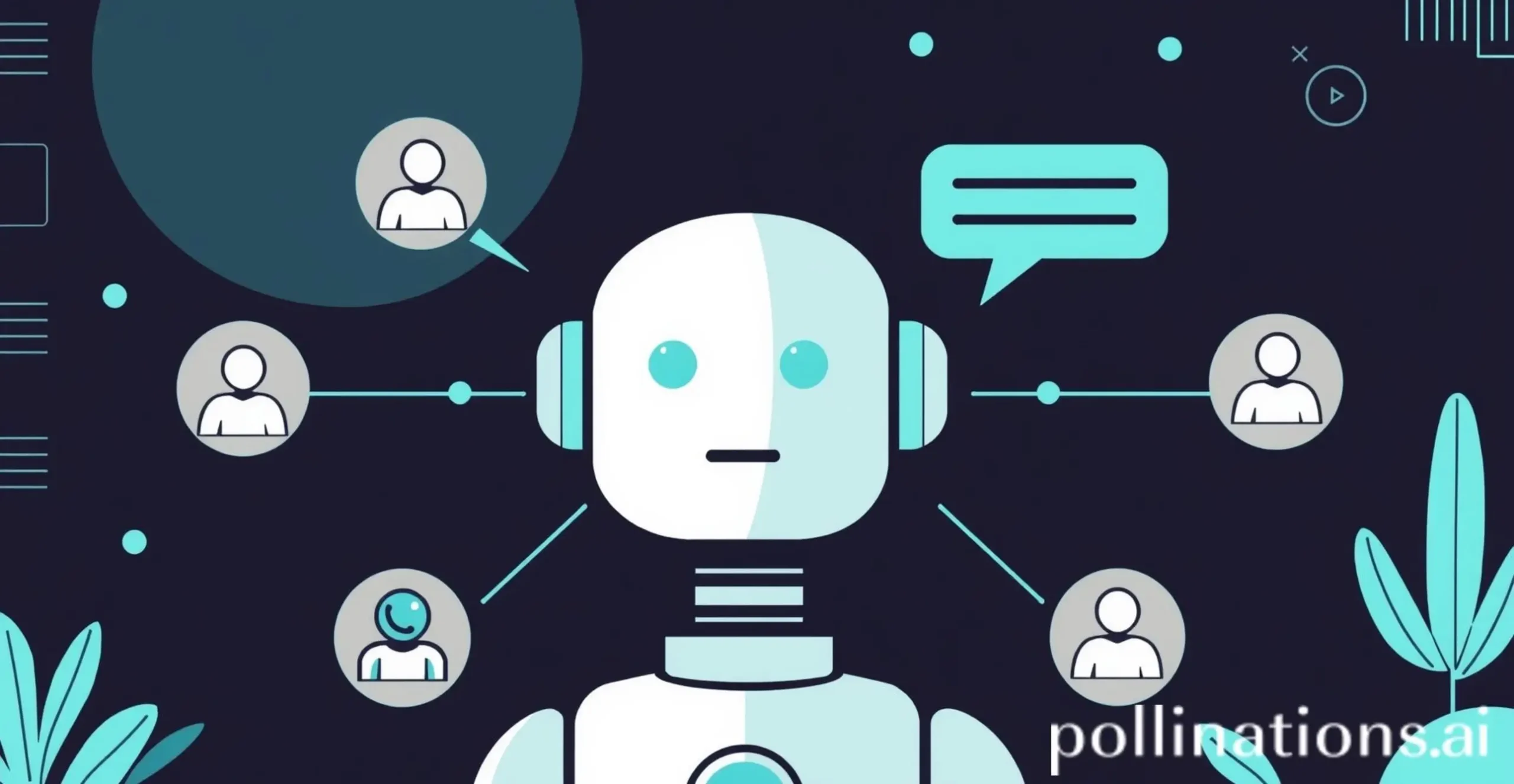
AI-Powered Chatbots: The Future of Customer Service
Artificial Intelligence (AI)-powered chatbots are rapidly transforming the landscape of customer service. Businesses are increasingly adopting these intelligent virtual assistants to enhance customer experience, streamline operations, and reduce costs. This article delves into the current state and future potential of AI chatbots in customer service, exploring their capabilities, benefits, limitations, and real-world applications.
Understanding AI Chatbots
At their core, AI chatbots are computer programs designed to simulate conversations with human users. They leverage natural language processing (NLP), machine learning (ML), and deep learning algorithms to understand user queries, provide relevant responses, and learn from interactions over time. Unlike traditional rule-based chatbots, AI chatbots can handle complex and nuanced requests, offering a more personalized and efficient customer service experience.
The Evolution of Chatbots
The journey of chatbots has been marked by significant advancements. Early chatbots relied on predefined scripts and keyword recognition, limiting their ability to handle complex conversations. However, with the rise of AI, chatbots have evolved into sophisticated virtual assistants capable of understanding natural language, sentiment analysis, and contextual awareness. This evolution has enabled them to engage in more meaningful and productive interactions with customers.
Key Technologies Behind AI Chatbots
Several key technologies underpin the functionality of AI chatbots:
- Natural Language Processing (NLP): Enables chatbots to understand and interpret human language, including intent, sentiment, and context.
- Machine Learning (ML): Allows chatbots to learn from data and improve their accuracy and effectiveness over time.
- Deep Learning: A subset of ML that uses artificial neural networks to analyze large amounts of data and identify complex patterns.
- Artificial Intelligence (AI): The overarching field that encompasses NLP, ML, and deep learning, enabling chatbots to perform human-like tasks.
Benefits of Using AI-Powered Chatbots in Customer Service
Implementing AI-powered chatbots in customer service offers numerous advantages for businesses of all sizes.
24/7 Availability and Instant Support
One of the most significant benefits is 24/7 availability. Chatbots can provide instant support to customers at any time, regardless of their location or time zone. This ensures that customers always have access to assistance, improving their overall experience and satisfaction.
Cost Reduction
AI chatbots can significantly reduce customer service costs. By automating routine tasks and handling a large volume of inquiries, chatbots free up human agents to focus on more complex and critical issues. This reduces the need for a large customer service team, resulting in substantial cost savings.
Improved Customer Experience
AI chatbots can enhance customer experience by providing personalized and efficient support. They can quickly answer common questions, resolve simple issues, and guide customers through various processes. This reduces wait times and ensures that customers receive prompt and relevant assistance.
Increased Efficiency and Productivity
By automating routine tasks, chatbots can increase efficiency and productivity within the customer service department. They can handle multiple inquiries simultaneously, freeing up human agents to focus on more complex and value-added activities. This leads to improved overall performance and better utilization of resources.
Data Collection and Analysis
AI chatbots can collect valuable data about customer interactions, including their needs, preferences, and pain points. This data can be analyzed to identify trends, improve customer service processes, and personalize future interactions. Data-driven insights can help businesses make informed decisions and continuously optimize their customer service strategy.
Applications of AI Chatbots in Customer Service
AI chatbots are being used in a wide range of customer service applications across various industries.
Answering Frequently Asked Questions (FAQs)
One of the most common applications is answering FAQs. Chatbots can be programmed to provide quick and accurate answers to common customer inquiries, such as product information, order status, and shipping details. This frees up human agents to focus on more complex and unique issues.
Providing Product Recommendations
Chatbots can provide personalized product recommendations based on customer preferences, past purchases, and browsing history. By analyzing customer data, chatbots can suggest relevant products that are likely to appeal to individual customers, increasing sales and customer satisfaction.
Handling Customer Complaints
AI chatbots can handle customer complaints and resolve simple issues. They can guide customers through troubleshooting steps, process returns, and offer refunds. By resolving minor issues quickly and efficiently, chatbots can prevent customer frustration and improve their overall experience.
Scheduling Appointments and Reservations
Chatbots can automate the process of scheduling appointments and reservations. They can check availability, book appointments, and send confirmations to customers. This eliminates the need for customers to call or email customer service, saving them time and effort.
Providing Technical Support
AI chatbots can provide technical support to customers by guiding them through troubleshooting steps, answering technical questions, and resolving common technical issues. This reduces the burden on technical support staff and ensures that customers receive prompt and effective assistance.
Challenges and Limitations of AI Chatbots
Despite their many benefits, AI chatbots also have some limitations and challenges.
Lack of Empathy and Emotional Intelligence
One of the main limitations is the lack of empathy and emotional intelligence. Chatbots are not capable of understanding or responding to human emotions in the same way as human agents. This can be a challenge when dealing with sensitive or emotionally charged situations.
Inability to Handle Complex or Novel Situations
AI chatbots may struggle to handle complex or novel situations that fall outside of their programmed knowledge base. In such cases, they may need to transfer the customer to a human agent for assistance.
Dependence on Data Quality and Training
The accuracy and effectiveness of AI chatbots depend on the quality and quantity of data used to train them. If the training data is incomplete, biased, or inaccurate, the chatbot may provide incorrect or misleading information.
Security and Privacy Concerns
Chatbots collect and process sensitive customer data, raising security and privacy concerns. Businesses need to implement robust security measures to protect customer data and comply with data privacy regulations.
The Future of AI Chatbots in Customer Service
The future of AI chatbots in customer service is bright. As AI technology continues to advance, chatbots will become even more sophisticated, intelligent, and capable of providing human-like support.
Enhanced Natural Language Understanding
Future chatbots will have a deeper understanding of natural language, enabling them to handle more complex and nuanced conversations. They will be able to understand context, sentiment, and intent with greater accuracy, leading to more personalized and effective interactions.
Integration with Other AI Technologies
Chatbots will increasingly be integrated with other AI technologies, such as computer vision and robotic process automation (RPA), to provide a more comprehensive and seamless customer service experience. For example, chatbots could use computer vision to analyze images of damaged products and automatically process returns.
Personalized and Proactive Support
Future chatbots will be able to provide personalized and proactive support to customers. By analyzing customer data and behavior, they will be able to anticipate customer needs and offer assistance before they even ask for it. This will lead to a more proactive and personalized customer service experience.
Human-Chatbot Collaboration
The future of customer service will likely involve a combination of human agents and AI chatbots working together seamlessly. Chatbots will handle routine tasks and answer common questions, while human agents will focus on more complex and critical issues. This collaboration will result in a more efficient and effective customer service operation.
Conclusion
AI-powered chatbots are revolutionizing customer service by providing 24/7 availability, reducing costs, improving customer experience, and increasing efficiency. While they have some limitations, ongoing advancements in AI technology are constantly expanding their capabilities and addressing their shortcomings. As AI chatbots continue to evolve, they will play an increasingly important role in shaping the future of customer service, offering businesses a powerful tool for enhancing customer satisfaction and achieving their business goals.
Final Summary
AI-powered chatbots are transforming customer service by offering numerous benefits, including 24/7 availability, cost reduction, and improved customer experience. These intelligent virtual assistants leverage natural language processing, machine learning, and deep learning to understand customer queries and provide relevant responses, streamlining operations and enhancing efficiency. Businesses across various industries are adopting AI chatbots to automate routine tasks, handle customer complaints, and provide personalized recommendations, ultimately freeing up human agents to focus on more complex issues.
Despite their advantages, AI chatbots also have limitations, such as a lack of empathy and the inability to handle complex situations independently. However, ongoing advancements in AI technology are constantly addressing these shortcomings, leading to enhanced natural language understanding, seamless integration with other AI technologies, and personalized support. The future of customer service will likely involve a collaborative approach between human agents and AI chatbots, ensuring a comprehensive and efficient customer service operation.
In conclusion, AI-powered chatbots represent a significant shift in how businesses interact with their customers. By embracing this technology, companies can unlock new levels of efficiency, personalization, and customer satisfaction. As AI continues to evolve, chatbots will undoubtedly play an increasingly crucial role in shaping the future of customer service, enabling businesses to deliver exceptional experiences and achieve sustainable growth.
“`