


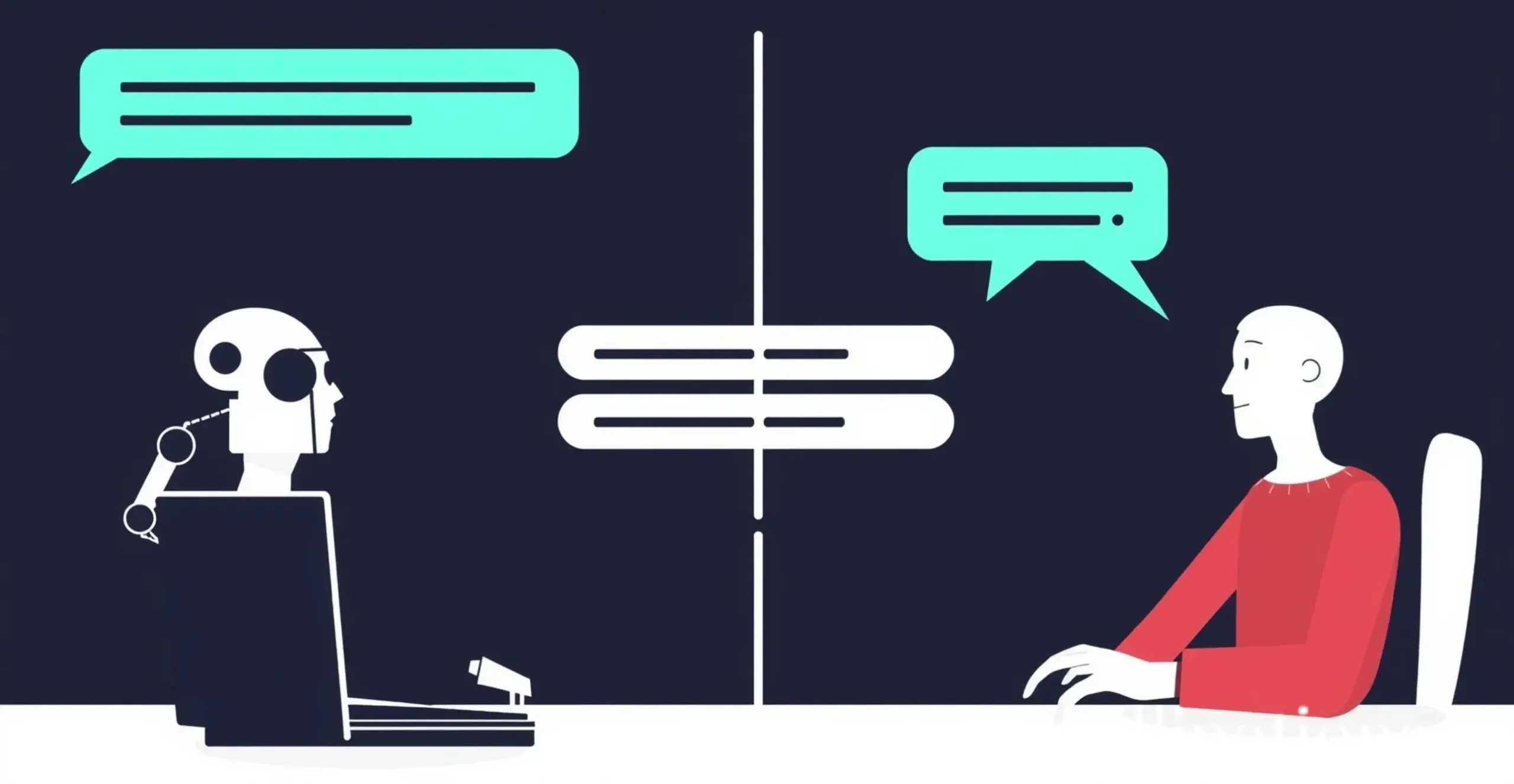
Chatbot vs. Human Support: Which is Better?
In today’s digital landscape, customer support is a crucial aspect of any business. With the rise of artificial intelligence, chatbots have become increasingly popular as a means of providing customer support. However, the debate rages on: chatbot vs. human support, which is better? In this article, we will delve into the pros and cons of both chatbot and human support, exploring their strengths and weaknesses to help you decide which is best for your business.
The Rise of Chatbots in Customer Support
Chatbots have been gaining traction in recent years, and their popularity is expected to continue growing. According to a report by Grand View Research, the global chatbot market is expected to reach $10.5 billion by 2026, growing at a CAGR of 24.3% during the forecast period. The increasing demand for chatbots can be attributed to their ability to provide 24/7 customer support, reduce operational costs, and improve customer experience.
Advantages of Chatbot Support
Chatbots offer several advantages over human support, including:
- Instant Responses: Chatbots can respond to customer inquiries instantly, reducing wait times and improving customer satisfaction.
- Cost-Effective: Chatbots can handle a large volume of customer inquiries without increasing operational costs.
- Scalability: Chatbots can handle multiple conversations simultaneously, making them ideal for businesses with a large customer base.
- Data Collection: Chatbots can collect valuable customer data, providing insights that can be used to improve customer experience and personalize marketing efforts.
Limitations of Chatbot Support
While chatbots offer several advantages, they also have some limitations. These include:
- Limited Understanding: Chatbots may struggle to understand complex customer inquiries or nuances of human language.
- Lack of Empathy: Chatbots lack the emotional intelligence and empathy that human support agents possess, which can lead to a lack of personal touch.
- Technical Issues: Chatbots can be prone to technical issues, such as integration problems or glitches, which can negatively impact customer experience.
The Importance of Human Support
While chatbots have their advantages, human support remains an essential aspect of customer support. Human support agents can provide a level of emotional intelligence and empathy that chatbots currently cannot match.
Advantages of Human Support
Human support offers several advantages, including:
- Emotional Intelligence: Human support agents can empathize with customers, providing a more personalized and compassionate experience.
- Complex Issue Resolution: Human support agents can handle complex customer inquiries that may be beyond the capabilities of chatbots.
- Building Trust: Human support agents can build trust with customers, fostering a positive and loyal customer relationship.
Limitations of Human Support
While human support has its advantages, it also has some limitations. These include:
- Operational Costs: Human support agents require significant operational costs, including training, salaries, and benefits.
- Limited Availability: Human support agents are limited by their working hours and availability, which can lead to delays in responding to customer inquiries.
- Human Error: Human support agents can make mistakes, which can negatively impact customer experience.
Chatbot vs. Human Support: Finding the Right Balance
In the debate of chatbot vs. human support, it’s clear that both have their strengths and weaknesses. Rather than pitting one against the other, businesses should consider a hybrid approach that combines the benefits of both.
Hybrid Support Model
A hybrid support model involves using chatbots to handle routine customer inquiries and human support agents to handle more complex issues. This approach can provide a more efficient and effective customer support experience.
Benefits of a Hybrid Support Model
The benefits of a hybrid support model include:
- Improved Efficiency: Chatbots can handle routine inquiries, freeing up human support agents to focus on more complex issues.
- Enhanced Customer Experience: Human support agents can provide a more personalized and empathetic experience for customers with complex issues.
- Reduced Operational Costs: Chatbots can reduce operational costs by handling a significant volume of customer inquiries.
Conclusion
In conclusion, the debate of chatbot vs. human support is not a zero-sum game. Both chatbot and human support have their strengths and weaknesses, and the best approach will depend on the specific needs of your business. By understanding the advantages and limitations of both, you can make an informed decision about which is best for your business.
Final Summary
To summarize, chatbots offer several advantages, including instant responses, cost-effectiveness, and scalability. However, they also have limitations, such as limited understanding and lack of empathy. Human support agents, on the other hand, offer emotional intelligence, complex issue resolution, and trust-building capabilities. A hybrid support model that combines the benefits of both chatbot and human support can provide a more efficient and effective customer support experience.
Ultimately, the choice between chatbot and human support will depend on your business needs and customer expectations. By understanding the strengths and weaknesses of both, you can create a customer support strategy that meets your business goals and exceeds customer expectations.
As the customer support landscape continues to evolve, it’s essential to stay informed about the latest trends and technologies. By doing so, you can ensure that your business remains competitive and provides a world-class customer experience.
By adopting a hybrid support model or leveraging the strengths of chatbot and human support, you can improve customer satisfaction, reduce operational costs, and drive business growth.