


“`html
AI and Cardiology: Preventing Heart Disease with Algorithms
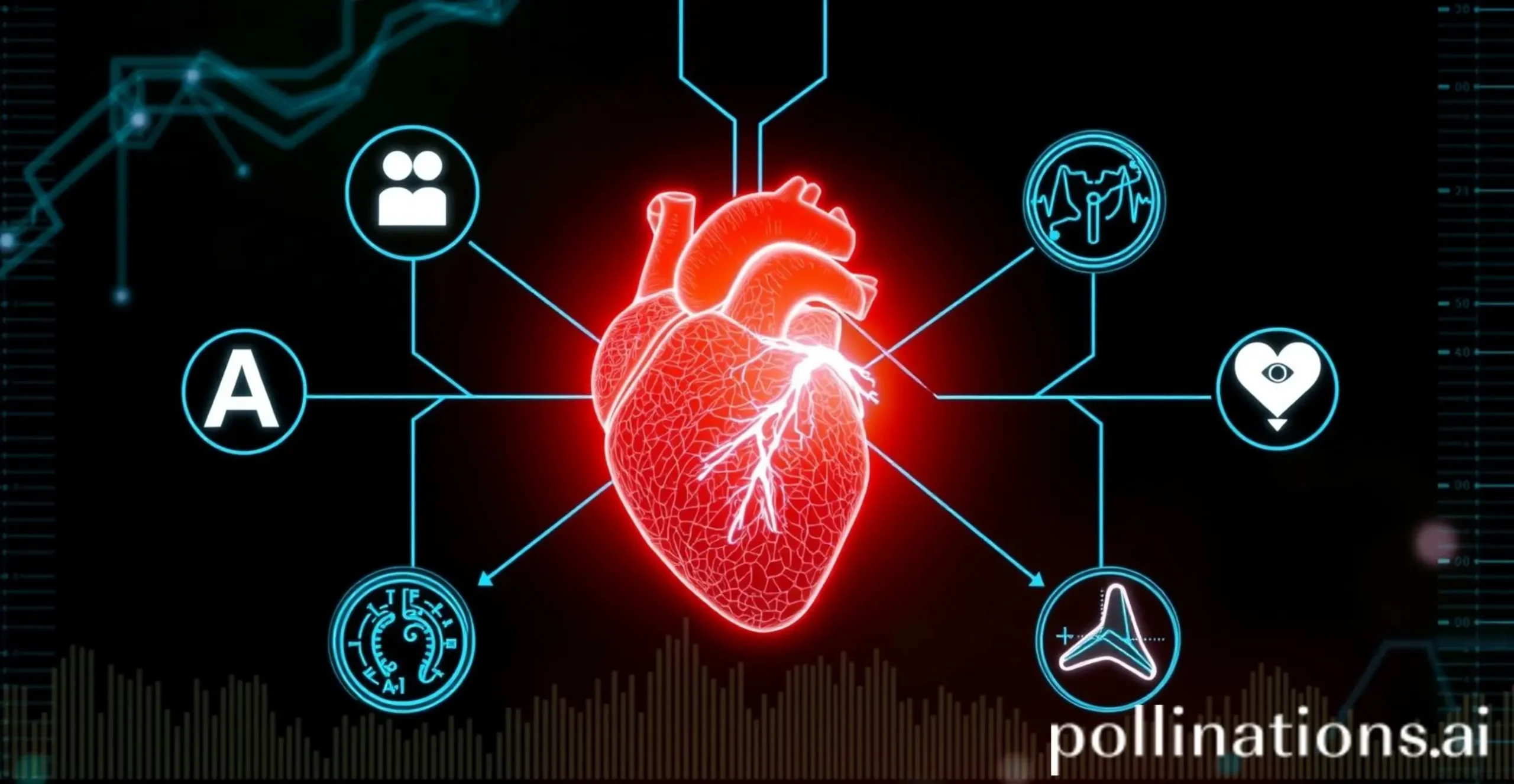
Artificial Intelligence (AI) is revolutionizing numerous fields, and cardiology is no exception. From predicting heart attacks to personalizing treatment plans, AI in cardiology is showing immense promise in preventing heart disease and improving patient outcomes. This article explores how algorithms are being used to detect, diagnose, and manage cardiovascular conditions, offering a glimpse into the future of heart health.
The Growing Need for AI in Cardiology
Cardiovascular disease (CVD) remains the leading cause of death globally. Early detection and effective management are crucial to reducing its impact. However, the sheer volume of data generated in modern cardiology – from ECG readings to imaging scans – can overwhelm clinicians. This is where AI and cardiology intersect to provide powerful analytical tools.
AI algorithms can analyze complex datasets with speed and accuracy, identifying subtle patterns that might be missed by the human eye. This capability is particularly valuable in the early stages of heart disease, where timely intervention can significantly alter the course of the illness. Furthermore, AI can help address inequalities in healthcare access by providing diagnostic support in resource-limited settings.
How AI is Transforming Cardiovascular Care
The applications of AI in cardiology are diverse and rapidly evolving. Here are some key areas where artificial intelligence is making a significant impact:
Early Detection of Heart Conditions
One of the most promising applications of AI is in the early detection of heart conditions. Algorithms can analyze electrocardiograms (ECGs) to identify abnormalities indicative of arrhythmias, ischemia, and other cardiac issues. For instance, AI-powered ECG devices are already being used to screen for atrial fibrillation, a common heart rhythm disorder that increases the risk of stroke.
Beyond ECGs, AI is also being applied to analyze medical imaging data, such as echocardiograms and cardiac MRIs. These algorithms can detect subtle changes in heart structure and function that may precede the development of overt heart disease. This enables clinicians to intervene earlier and implement preventative measures, such as lifestyle modifications and medication.
Improving Diagnostic Accuracy
AI algorithms are trained on vast datasets of patient information, including clinical data, imaging scans, and genetic profiles. This allows them to develop a nuanced understanding of cardiovascular disease and improve diagnostic accuracy. For example, AI can assist in differentiating between various types of heart failure, which can be challenging even for experienced cardiologists.
By integrating data from multiple sources, AI can provide a more comprehensive picture of a patient’s cardiovascular health. This holistic approach can lead to more accurate diagnoses and more personalized treatment plans. Moreover, AI can help reduce diagnostic errors, which can have serious consequences for patients.
Personalized Treatment Plans
Every patient is unique, and their response to treatment can vary significantly. AI can help personalize treatment plans by analyzing individual patient characteristics and predicting their likelihood of responding to different therapies. This approach is known as precision medicine and holds great promise for improving outcomes in cardiovascular care.
For example, AI can predict which patients are most likely to benefit from a particular type of heart failure medication or which patients are at high risk of developing complications after a cardiac procedure. This information allows clinicians to tailor treatment plans to the individual needs of each patient, maximizing the likelihood of success and minimizing the risk of adverse events.
Predicting Heart Attacks and Other Adverse Events
Perhaps one of the most exciting applications of AI is in predicting heart attacks and other adverse cardiovascular events. By analyzing patient data, including risk factors, medical history, and biomarkers, AI algorithms can identify individuals who are at high risk of experiencing a future cardiac event.
This predictive capability allows clinicians to intervene proactively and implement strategies to reduce the patient’s risk. These strategies may include lifestyle modifications, such as diet and exercise, as well as medications to lower cholesterol, blood pressure, and blood sugar. By identifying and managing high-risk individuals, AI can help prevent heart attacks and save lives.
The Role of Machine Learning in Cardiology
Machine learning, a subset of AI, plays a crucial role in many of these applications. Machine learning algorithms can learn from data without being explicitly programmed, allowing them to adapt and improve their performance over time. This is particularly valuable in cardiology, where the data is complex and constantly evolving.
For instance, machine learning algorithms can be trained to identify subtle patterns in ECGs that are indicative of early-stage heart disease. As the algorithm is exposed to more data, it becomes better at recognizing these patterns, leading to more accurate and timely diagnoses. The use of artificial intelligence in this capacity is truly revolutionary.
Challenges and Considerations
While AI offers tremendous potential for improving cardiovascular care, it is important to acknowledge the challenges and considerations associated with its implementation. These include:
- Data Quality and Bias: AI algorithms are only as good as the data they are trained on. If the data is incomplete, inaccurate, or biased, the algorithm’s performance may be compromised.
- Explainability and Transparency: Some AI algorithms are “black boxes,” meaning that it is difficult to understand how they arrive at their conclusions. This lack of explainability can make it challenging for clinicians to trust and interpret the algorithm’s output.
- Regulatory and Ethical Considerations: The use of AI in healthcare raises important regulatory and ethical questions, such as who is responsible when an AI algorithm makes a mistake and how to ensure patient privacy and data security.
- Integration into Clinical Workflow: Successfully integrating AI into clinical workflow requires careful planning and coordination. Clinicians need to be trained on how to use AI tools effectively, and the tools need to be seamlessly integrated into existing electronic health record systems.
The Future of AI in Cardiology
Despite these challenges, the future of AI and cardiology is bright. As AI technology continues to advance, we can expect to see even more sophisticated applications emerge. For example, AI may be used to develop personalized medication regimens based on a patient’s genetic profile or to create virtual reality simulations for training cardiac surgeons. The possibilities are virtually limitless.
Ultimately, the goal of AI in cardiology is to empower clinicians with the tools they need to provide the best possible care for their patients. By leveraging the power of AI, we can improve the early detection, diagnosis, and management of cardiovascular disease, leading to better outcomes and longer, healthier lives. AI algorithms are quickly becoming an indispensable resource.
Final Summary
AI is transforming cardiology by enabling earlier detection of heart conditions, improving diagnostic accuracy, and facilitating personalized treatment plans. By analyzing vast datasets, AI algorithms can identify subtle patterns indicative of disease, predict adverse events, and tailor treatment strategies to individual patient needs.
While challenges such as data quality, explainability, and ethical considerations exist, the potential benefits of AI in cardiology are immense. Machine learning, a key component of AI, allows algorithms to learn from data and improve their performance over time, leading to more accurate and timely diagnoses.
The future of AI in cardiology is promising, with potential applications ranging from personalized medication regimens to virtual reality training for surgeons. By leveraging the power of AI, clinicians can enhance patient care, improve outcomes, and ultimately prevent heart disease and save lives. The effective use of AI and cardiology holds the key to a healthier future for all.
“`